Modes of Protection, 2025
Amaya Field, Interdisciplinary Sculpture/Art History, 2028
Interdisciplinary metal and wood fabricator studying at the Maryland Institute College of Art.
Project Overview
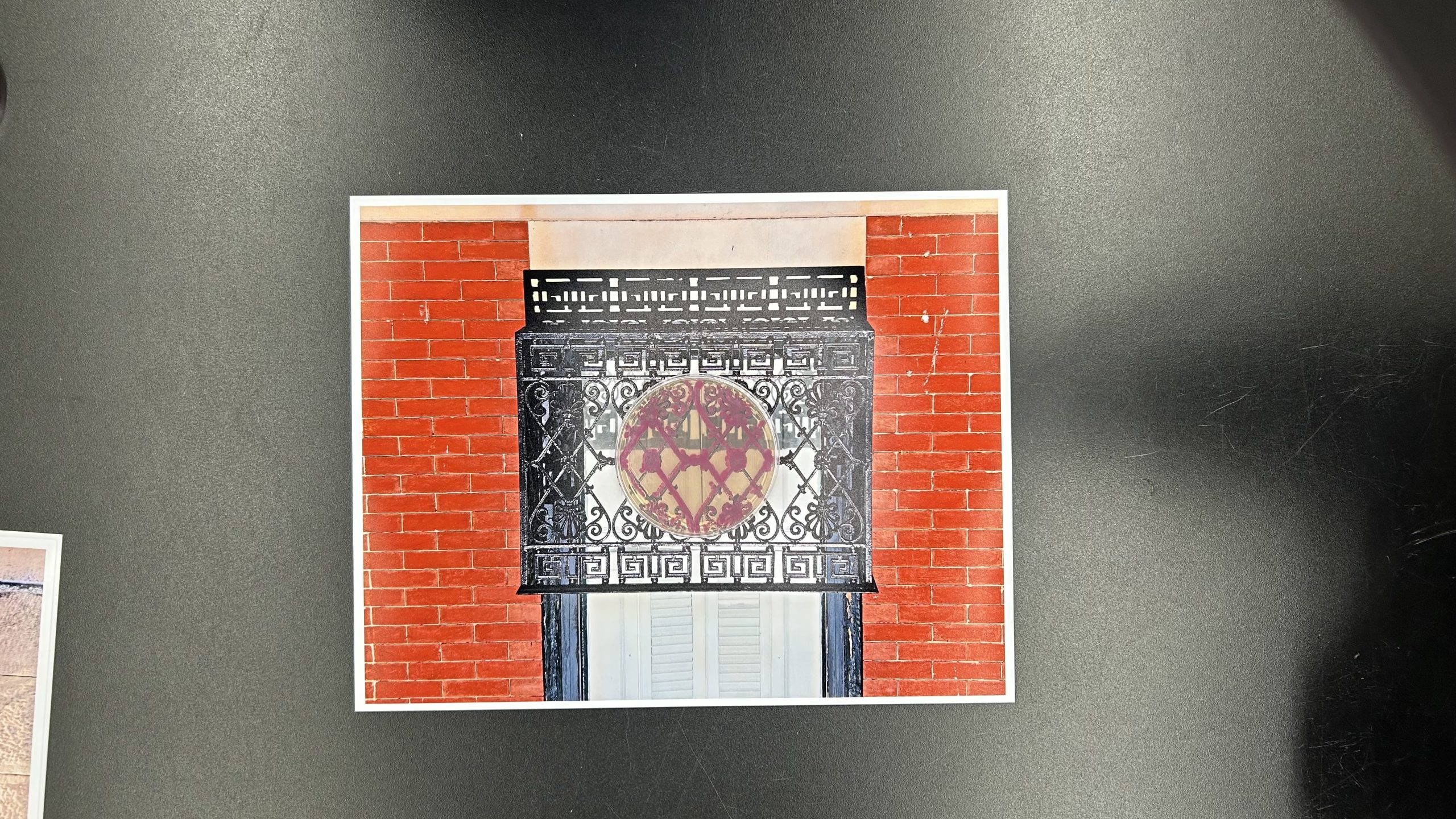
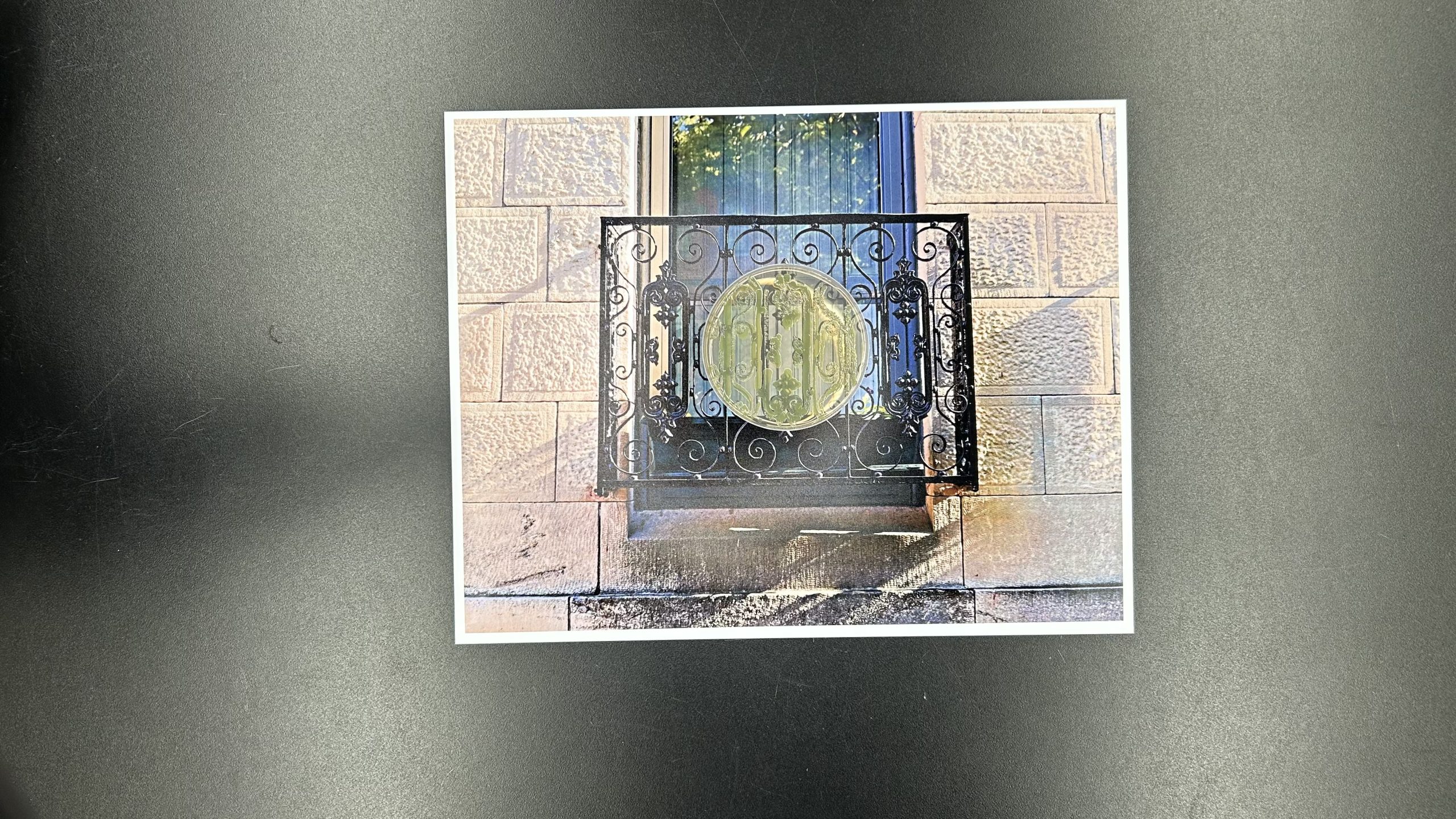
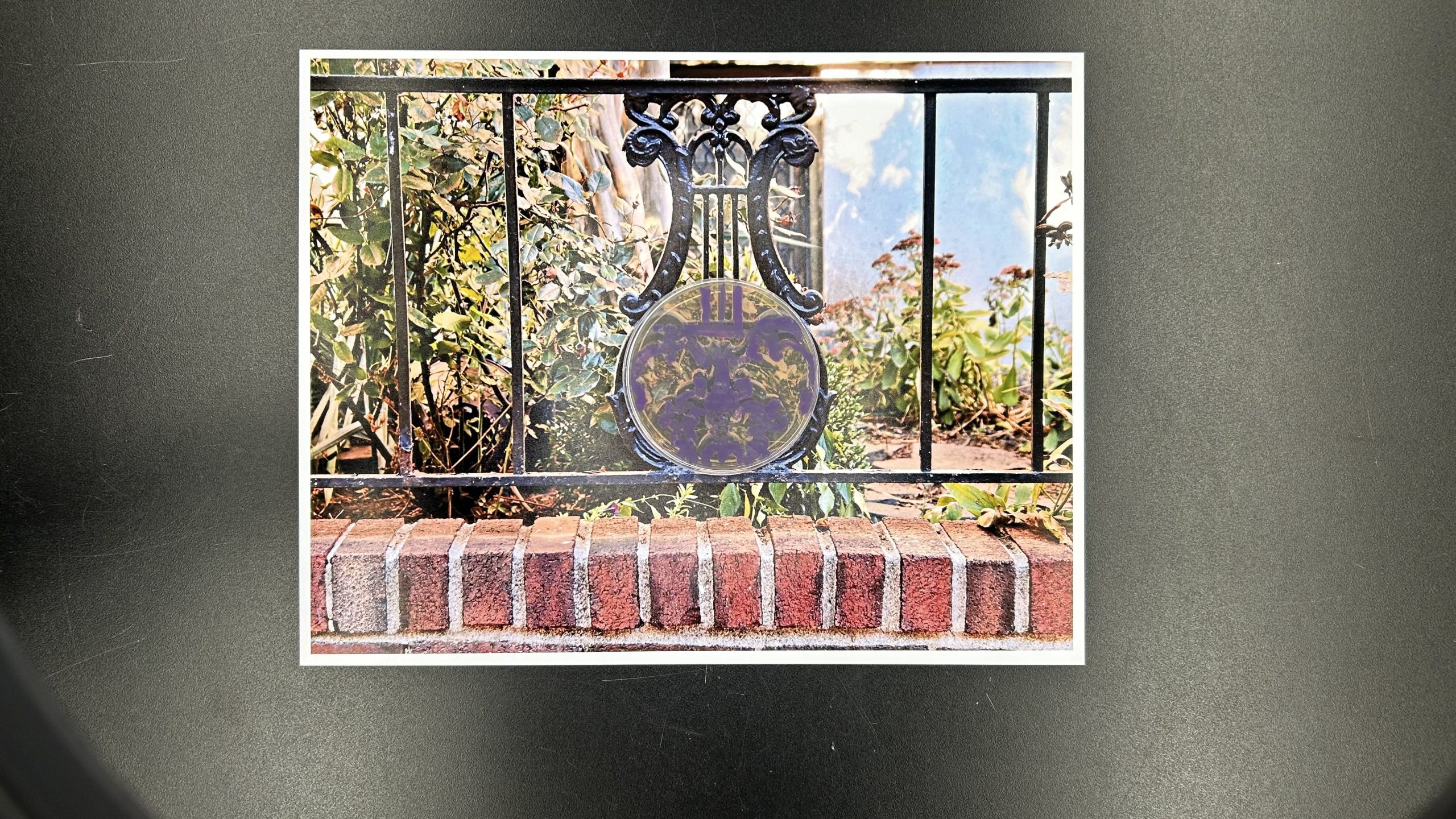
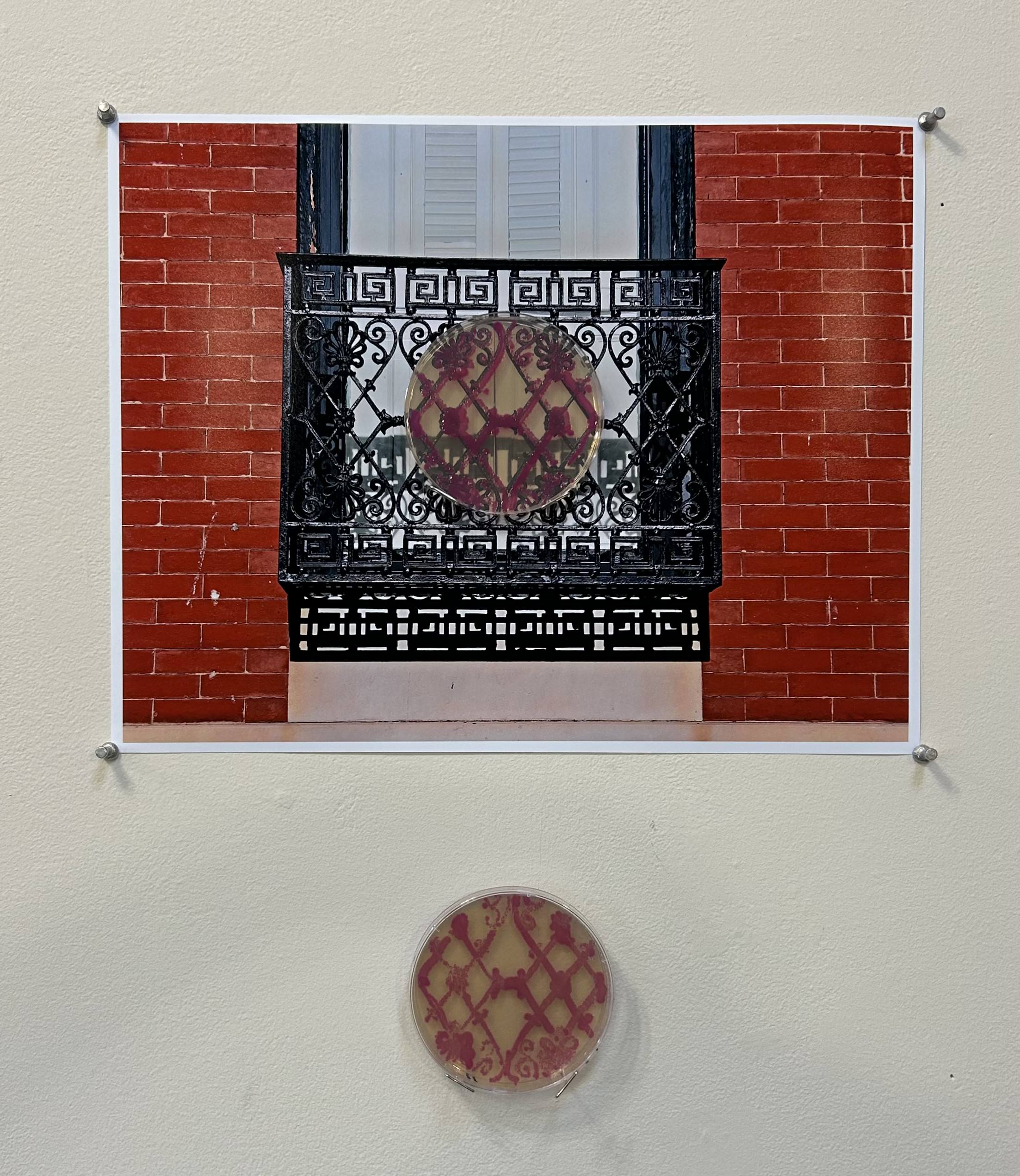
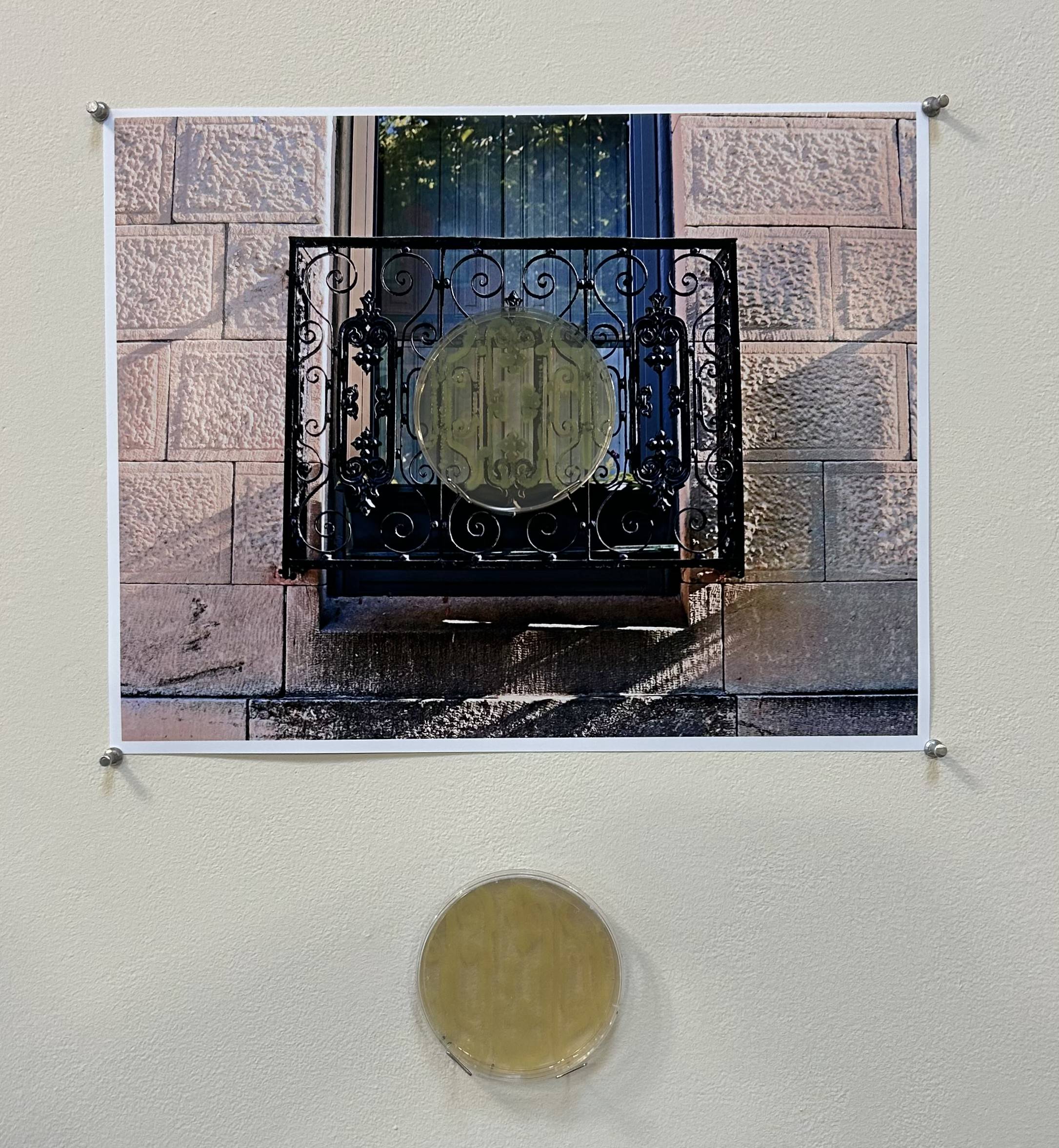
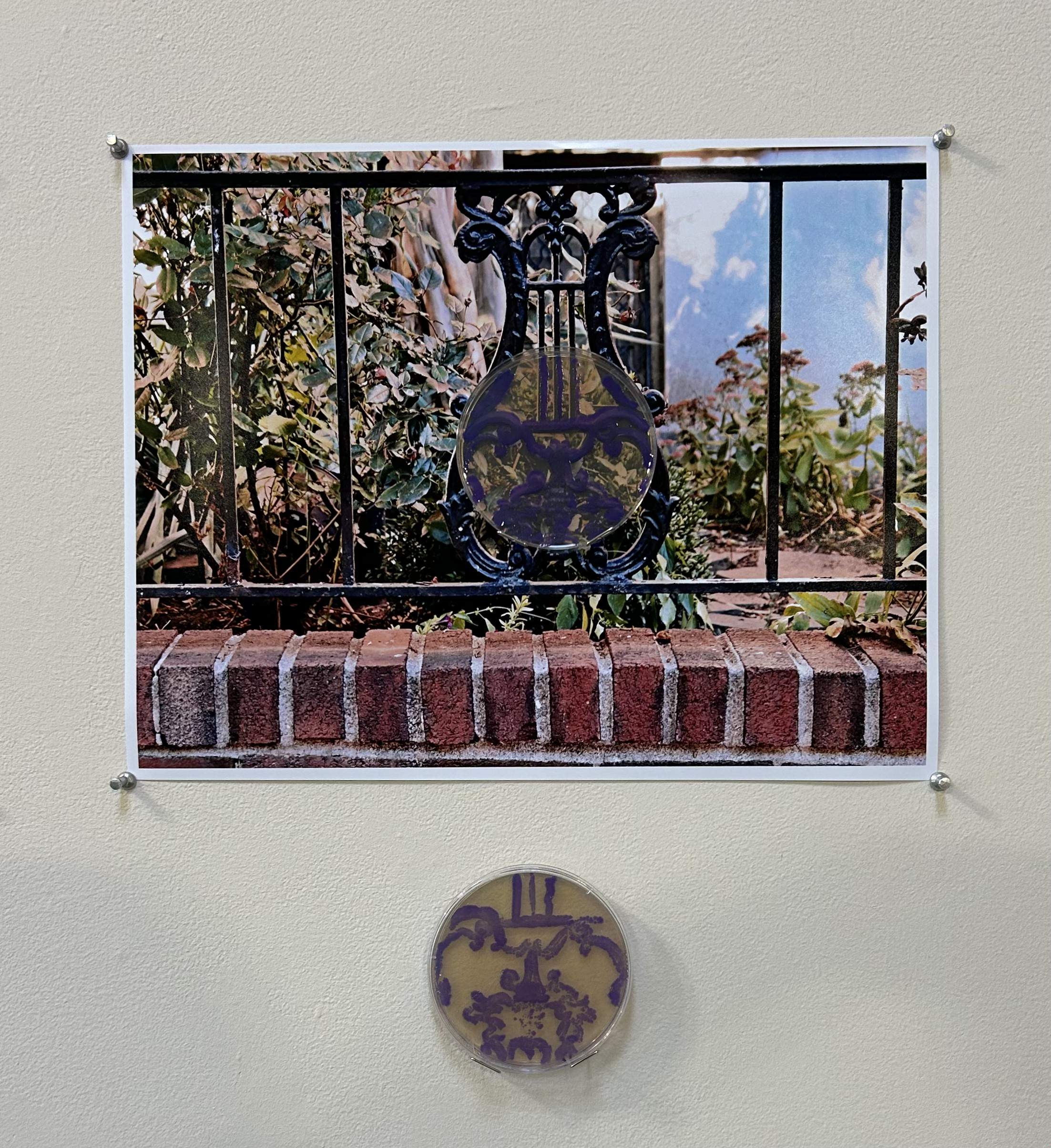
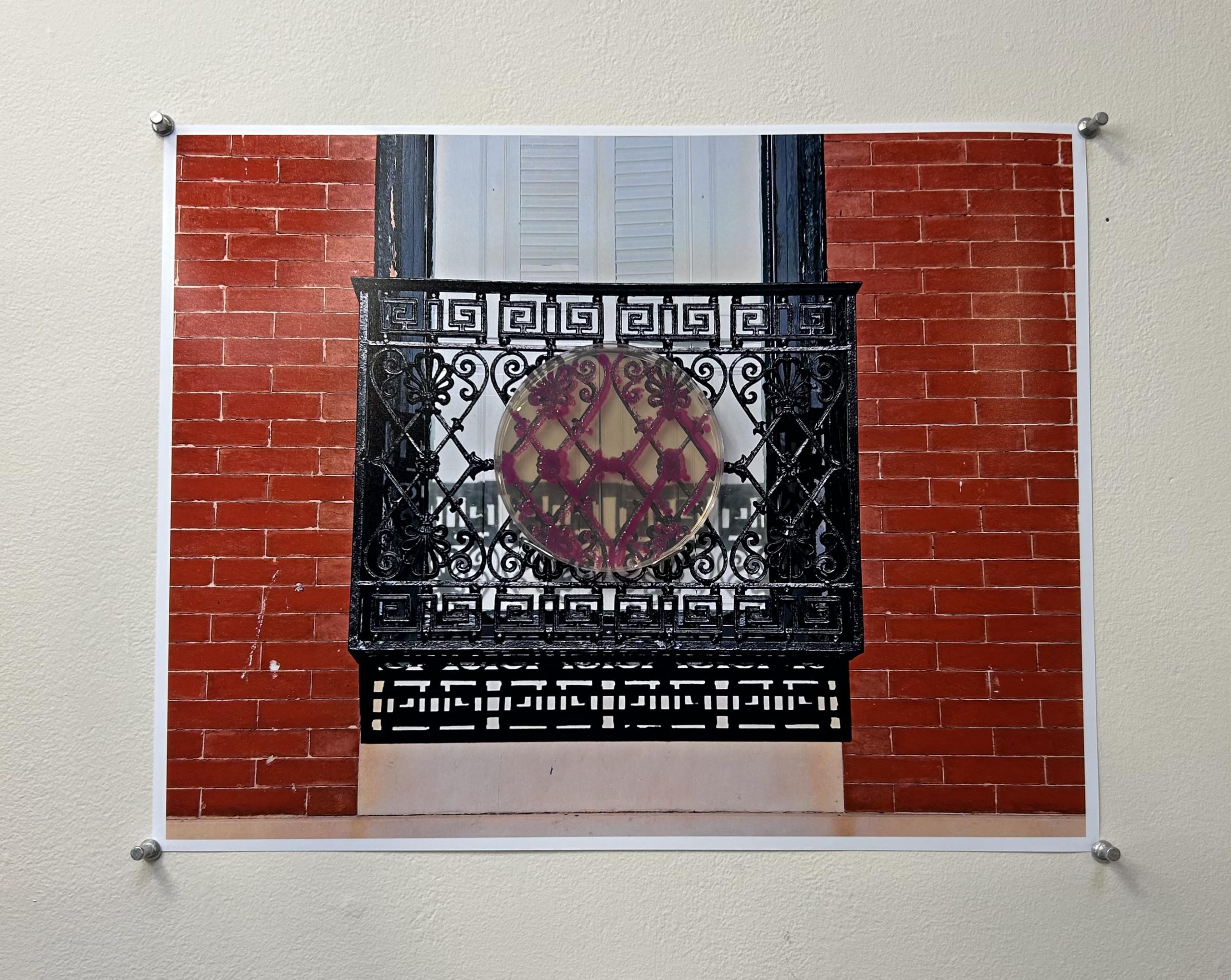
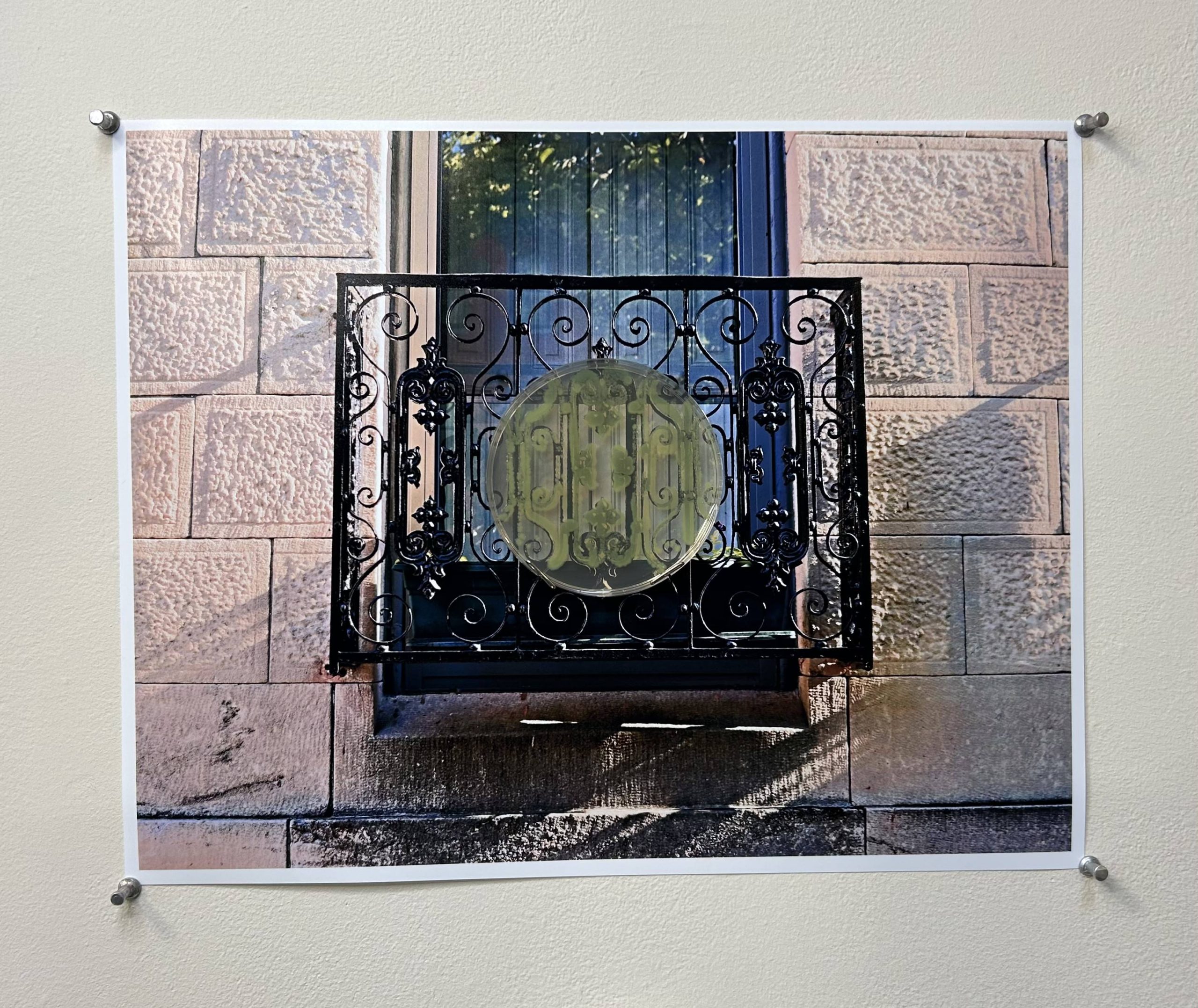
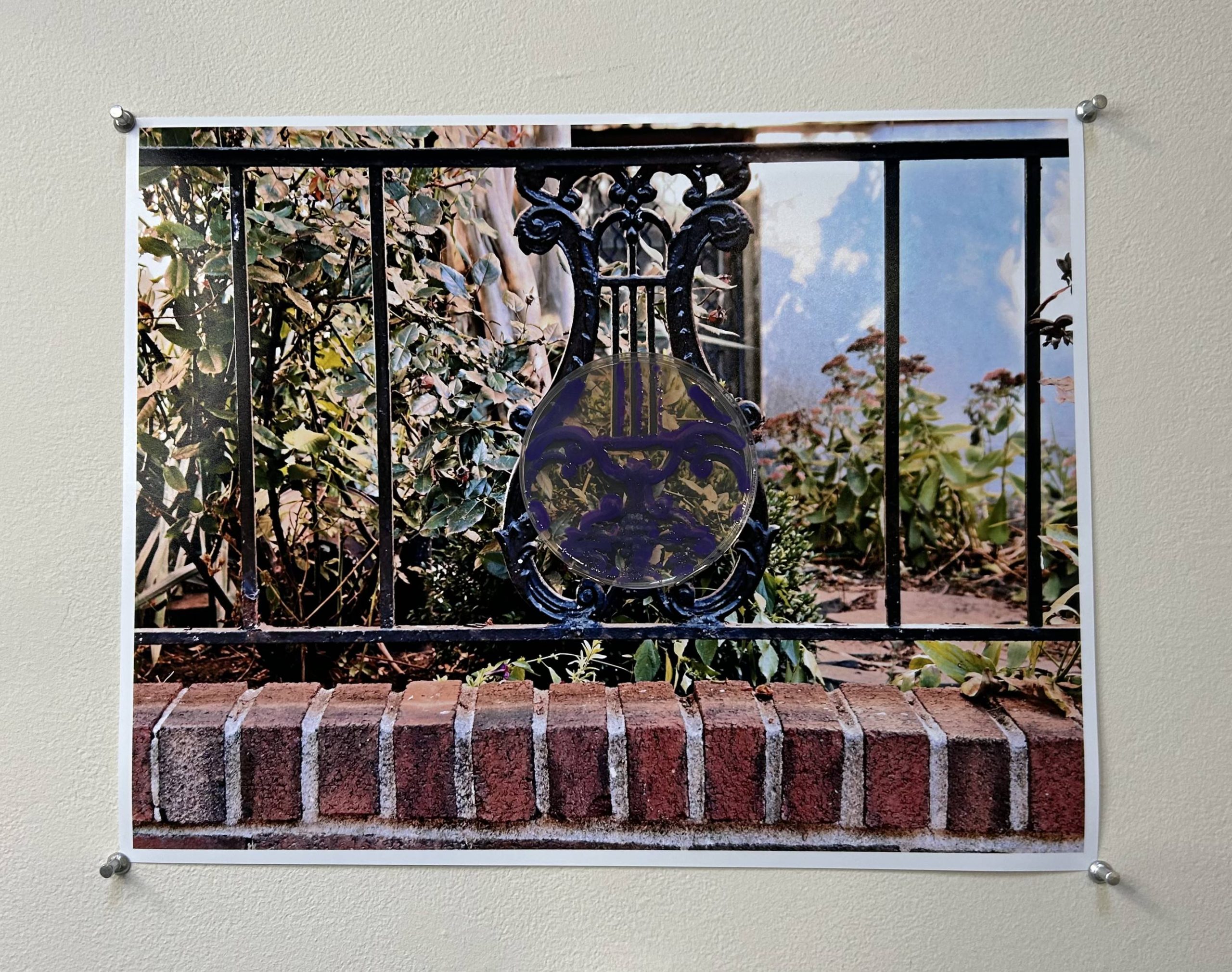
Modes of Protection (2025) refers to the various means of protecting ourselves and the creatures that we cultivate while also highlighting the beauty of the creatures we normally protect ourselves from and the forms of protection used. Using a RFP producing strand of E. Coli, I hand traced various window gates around the Bolton Hill area onto a clear agar plate.

Process
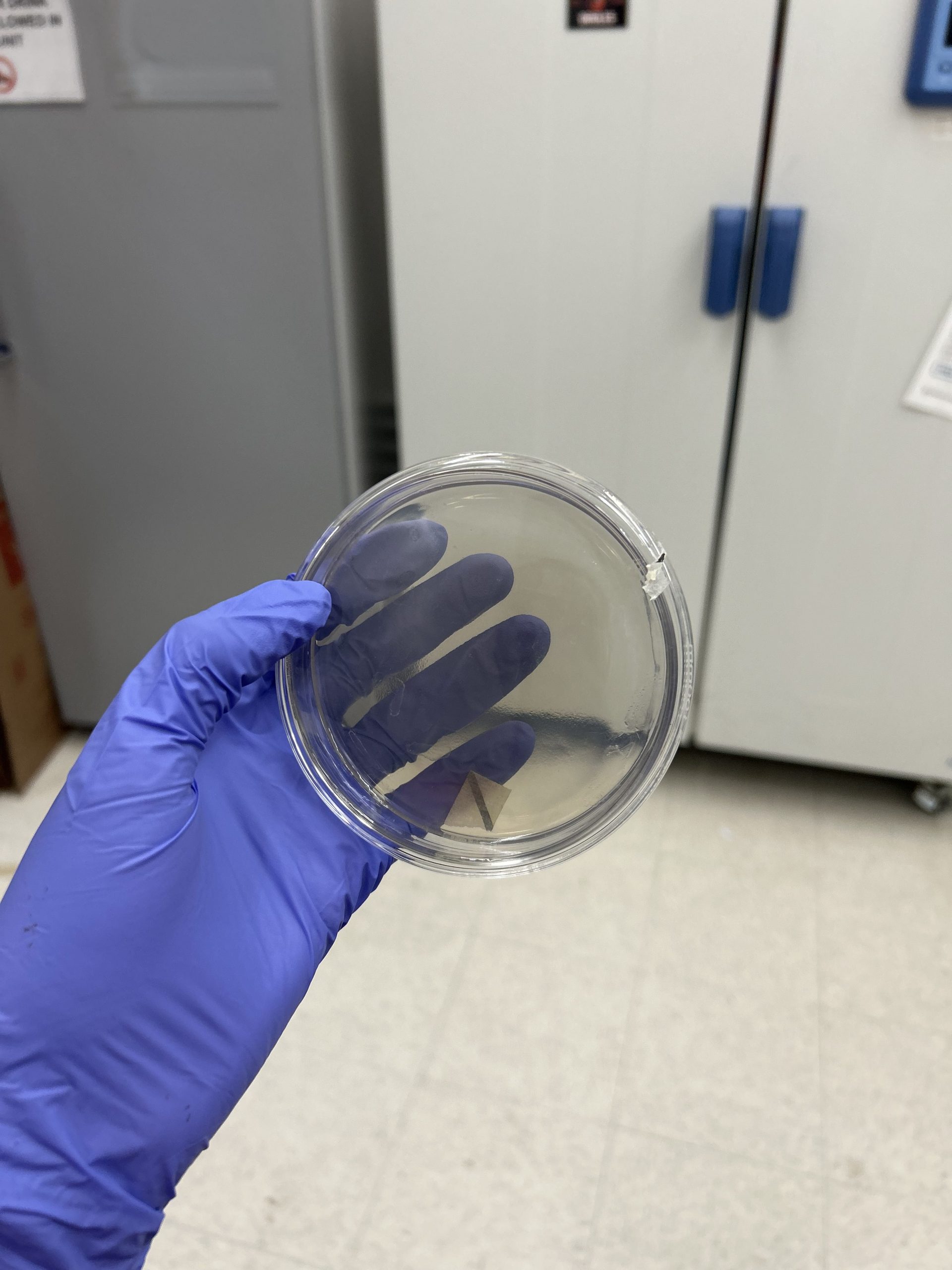
My initial plan with this project was to use the bacterial printing as some sort of a projection of an image beneath the agar. I wasn’t 100% set on which drawing process (bacterial printing, hand drawing, or Kapton stenciling) I wanted to use for this project so I tackled the largest roadblock: making the agar clear to see beneath it by neutralizing the yellow/orange hue of the LB agar. This was, what I consider, the largest chunk of experimenting for the project as once I decided on hand drawing I used RFP pink, yellow, and purple E.Coli cells.
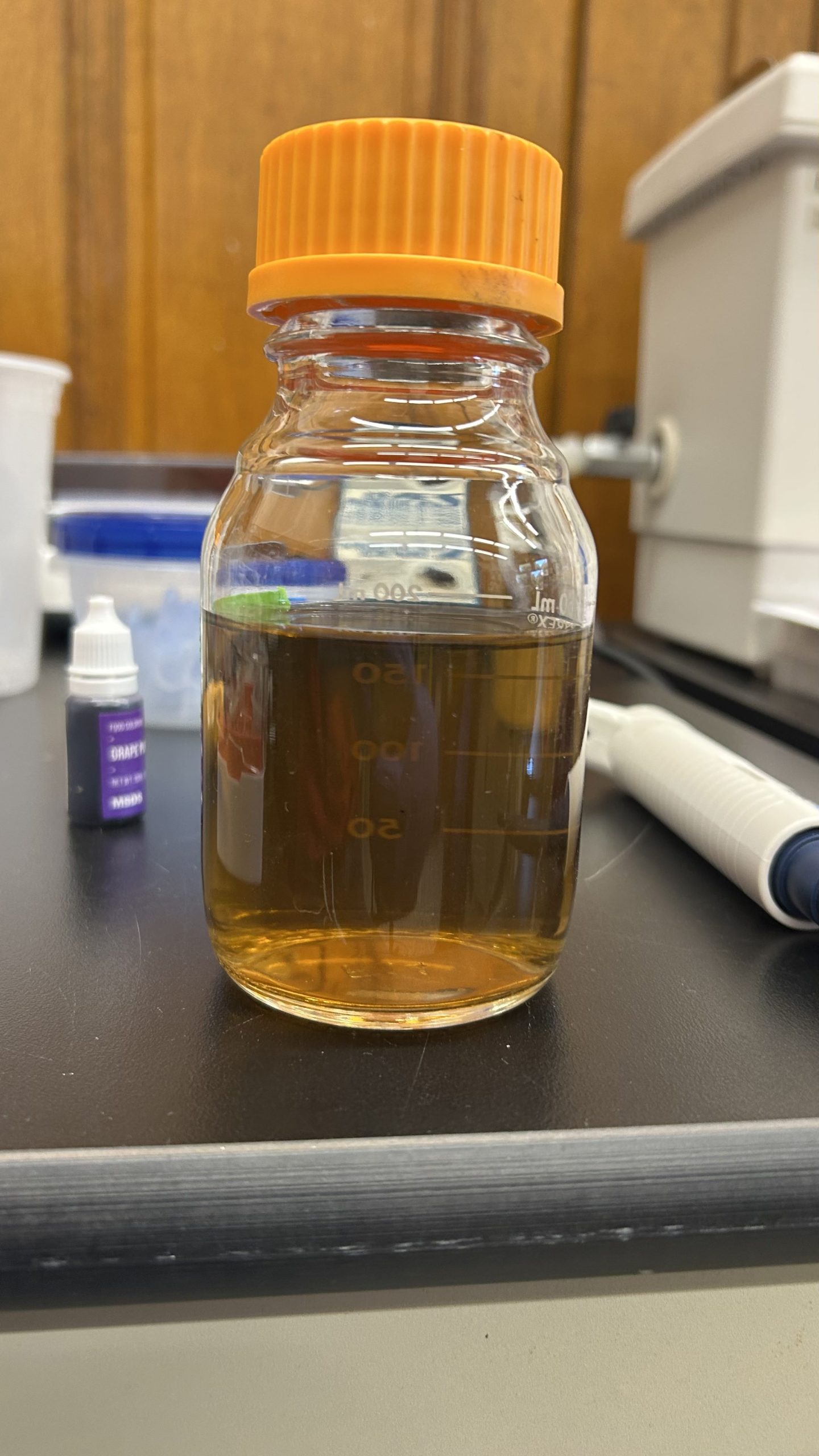
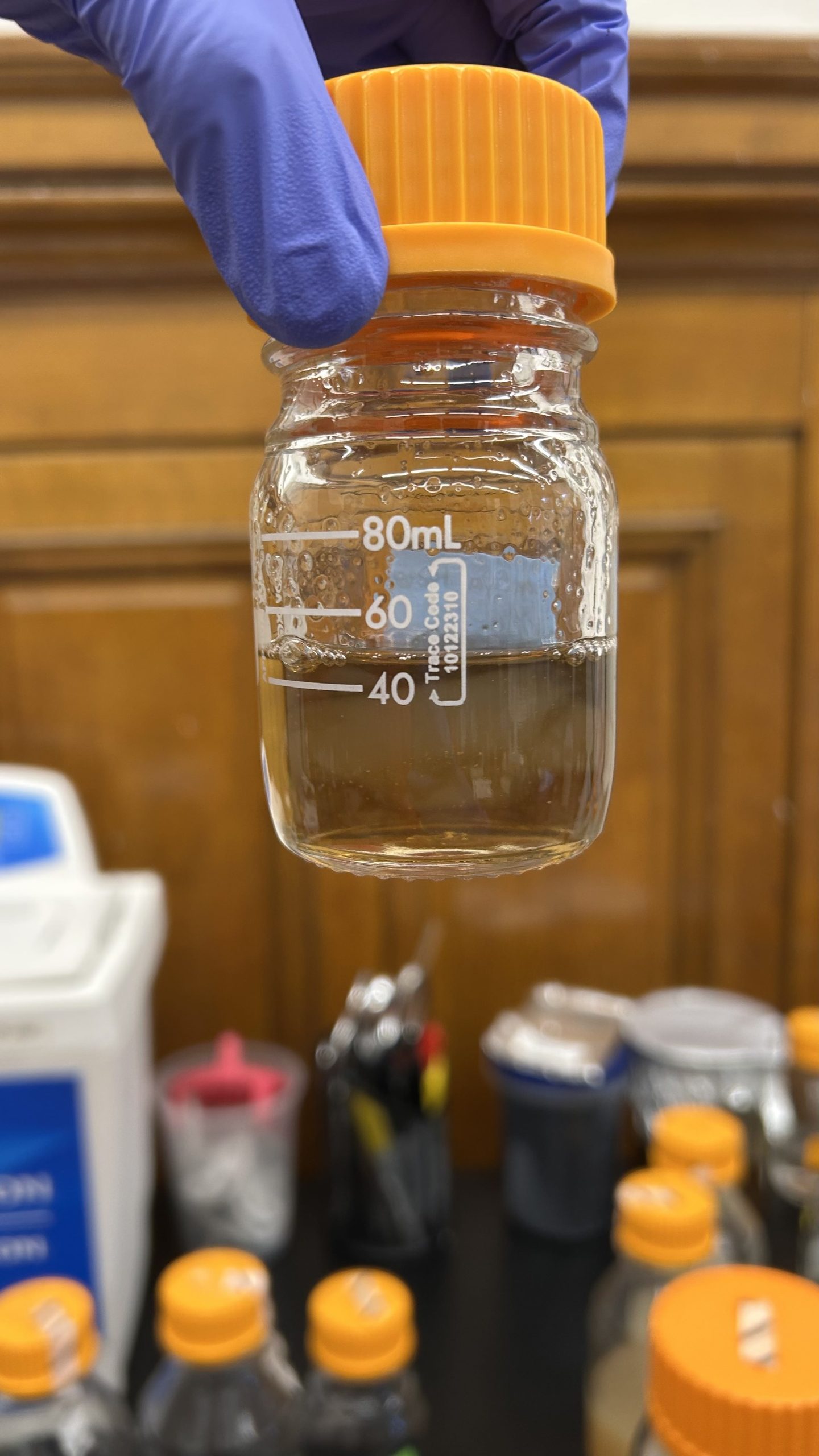
I began the process by making a standard 500 mL Pyrex of LB media agar which was autoclaved and then melted the next lab day. I then split the melted LB media agar into smaller 100 mL Pyrex bottles to 80 mL. I knew that in order to neutralize the yellow/orange hue I would need purple and blue food dyes. I purchased a 4-pack of Whole Foods brand natural food colorings which came with yellow, green, blue, and red bottles of food dye. The lab provided a larger pack of artificial food colorings with a range of blues and purples which were much more pigmented than the Whole Foods food coloring. My first experiment I pipetted 1000 μL of the artificial grape purple food coloring into the 100 mL Pyrex which left the agar a dark deep purple. I then attempted to pipette increments of 10 μL of the same into another 100m mL Pyrex of agar which also left the agar a deep purple. This was when I realized the artificial colors were extremely pigmented.
I then attempted to tackle the issue of the orange hue instead of the yellow hues with the Whole Foods blue food dye. I added increments of 5-13 μL of that which was making little progress to which I added 5 μL of the artificial sky blue which turned the liquid agar green. To fix the issue of intense pigmentation caused by the food dyes I started diluting my dyes with sterile water. I added 10 μL of grape purple to 30 μL of sterile water to create a diluted purple and with that mixture I added 30 μL of dilute grape purple and 15 μL of Whole Foods blue to the agar to create the most successful iteration. Once I created a formula for clear agar I sized up to 200 mL Pyrex bottles of agar.
In a 200 mL Pyrex 75 μL of dilute grape purple (made with 50 μL of purple and 150 μL of sterile water) needed to be mixed with 37.5 μL of Whole Foods blue. Also the ratio of correct for the sizing up, this mixture still barely made a difference in the color so I then added an extra 50 μL of dilute purple and created a dilute Whole Foods blue (40 μL of blue and 120 μL of sterile water) and added 25 μL of that to create a clear agar with a rosey tint. This was the most desirable outcome which I then added kanamycin too and poured.
To finish up the project I printed out 11×16 photos of filigree around my neighborhood. I then placed the plates above the images and hand drew with the previously mentioned RFP pink, purple, and yellow E. Coli cells and allowed my plates to grow for 5 days.